 Монгол

How Do We Organize Training?




Training Phases
Research Phase
To organize an optimal training, a needs assessment suited to the organization is conducted, and a research-based training program is developed.
Preparation
Using interactive training methodology, a program specific to the organization is developed, creating an interactive environment in the training room.
Training
The training is directed at ensuring active participation for up to 20 individuals, with a composition of 3 or more trainers.
Collaboration
Aims to communicate openly with stakeholders during the training, reach a common understanding, and create motivation for future action.
Comprehensive Report
An illustrated report including the training process and results is developed and delivered to the ordering organization.
Leadership and Management Module Trainings
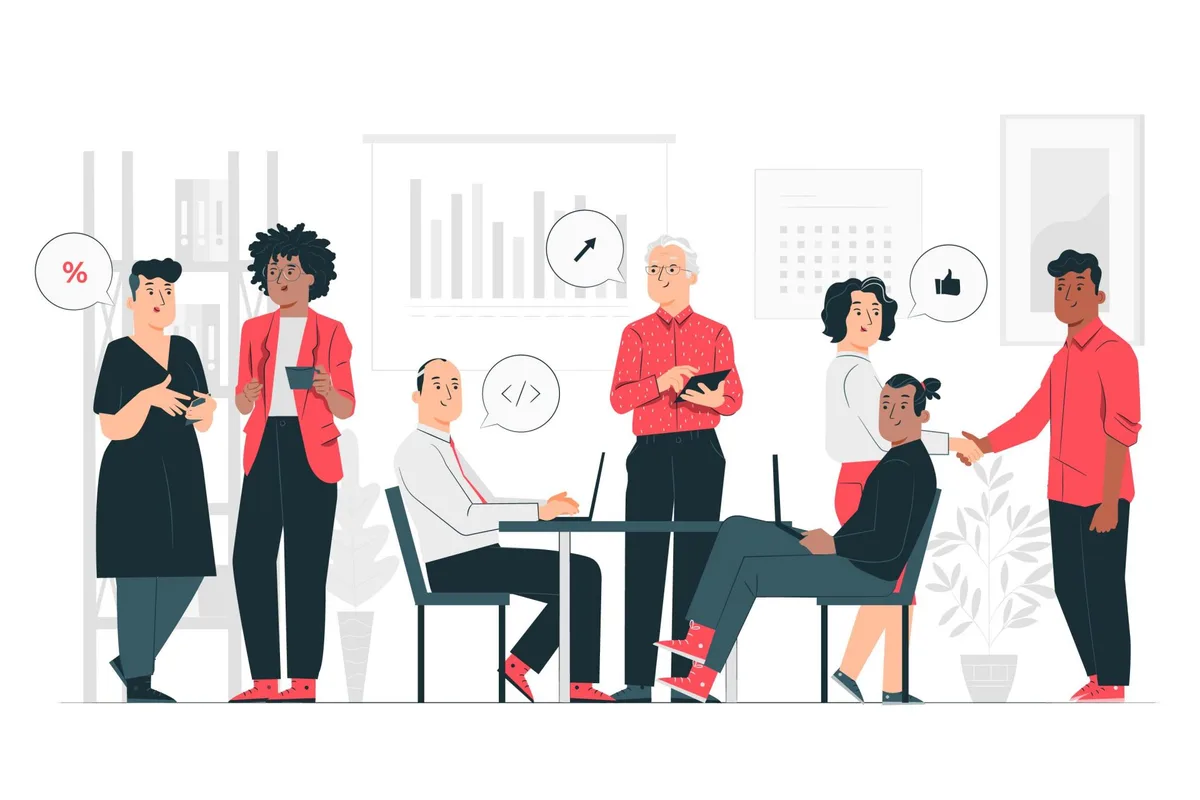
TEAM BUILDING
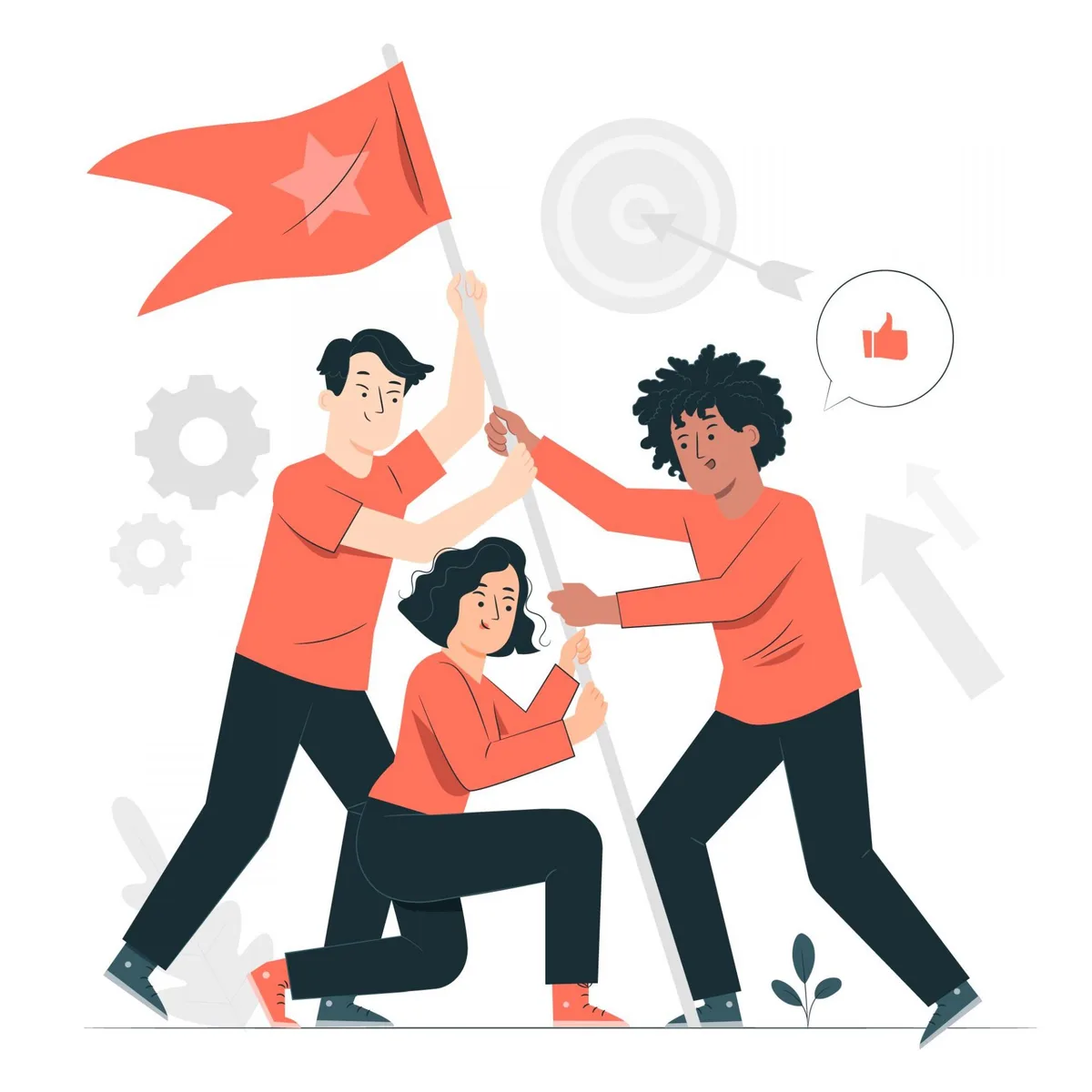
Aims to increase team efficiency by identifying the individual roles within the team, and teaching basic collaboration principles and team management skills.
Content:
- Roles within the team
- Team diversity
- Managing team development stages
- Team management skills
CHANGE MANAGEMENT
Aims to learn the manager's role in successfully managing organizational change and the skills to lead change.
Content:
- Change management
- Models for implementing change management
- Methods to manage resistance to change
- Skills to lead change

PEOPLE MANAGEMENT
Aims to develop managers' core roles and foundational skills to successfully manage their employees.
Content:
- Managing employee experience
- Task management
- Providing effective feedback
- Delegation skills
NEGOTIATION
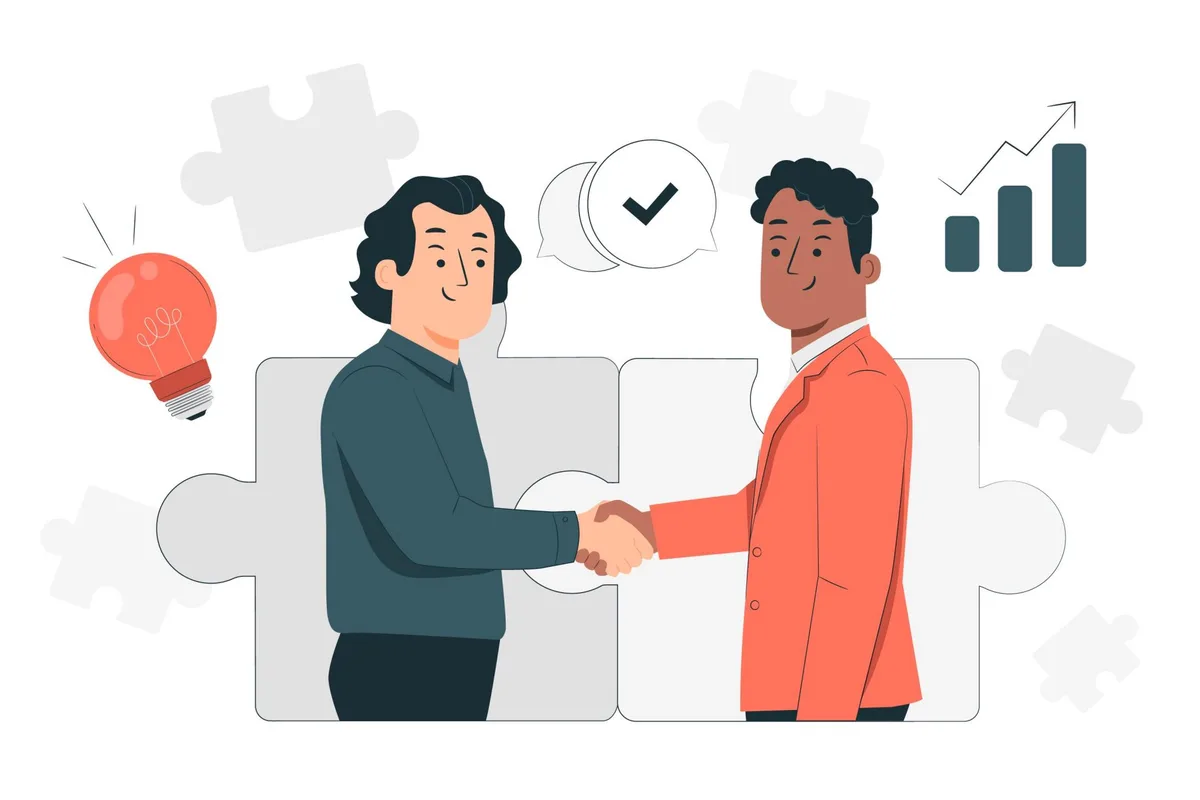
Aims to learn management skills for successful negotiations.
Content:
- Negotiation skills
- Forms of negotiation
- People's behavioral choices during negotiation
- Conflict management skills
EXECUTIVE BRANDING
Aims to learn management skills for developing individual, executive, and employer branding.
Content:
- Personal branding
- Executive management branding

INTERNAL COMMUNICATION
Aims to develop managers' basic skills in effectively managing the organization's internal communication.
Content:
- Leading and managing meetings /In-person meetings/
- Effective feedback
- Managing communication channels
- Email and telephone communication

DECISION MAKING AND CRITICAL THINKING
Aims to develop management skills for optimal problem solving.
Content:
- Critical thinking
- Creative thinking
- Optimal ways to solve problems
- Decision making biases
EMPLOYEE EXPERIENCE MANAGEMENT
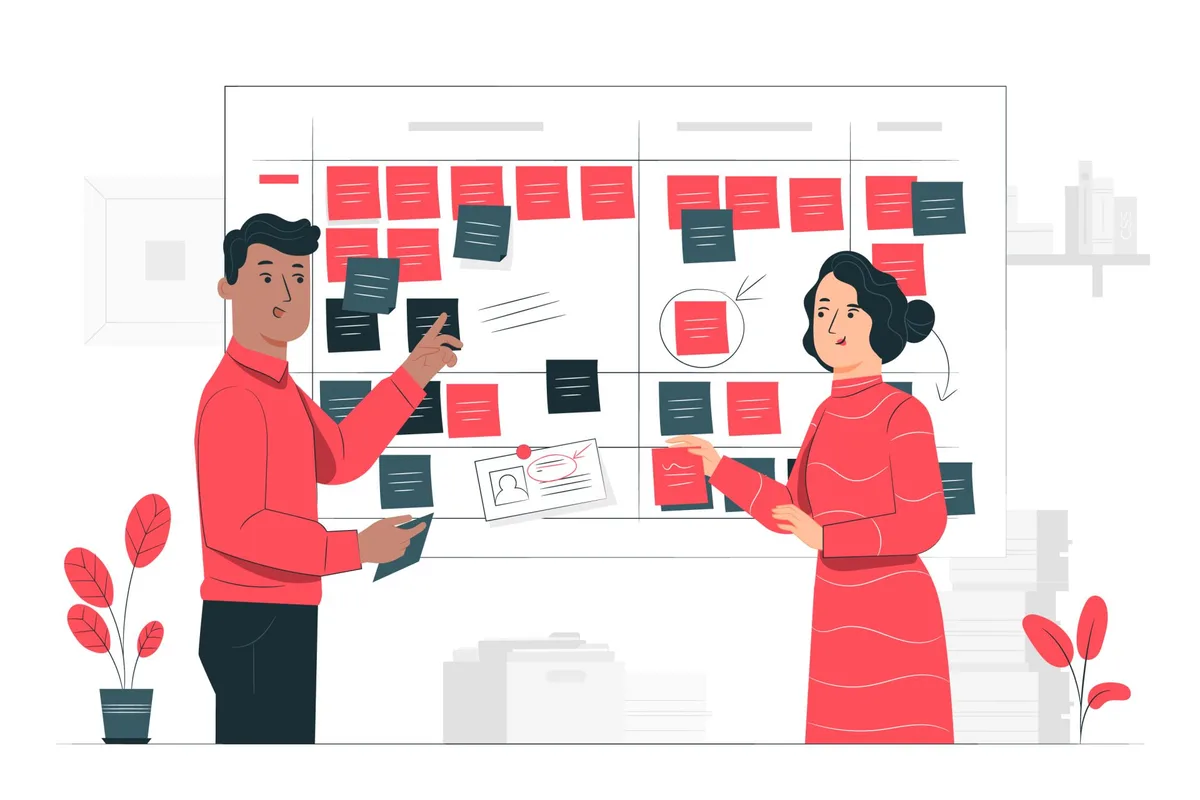
Aims to introduce the role of managers in positively managing employee experience and feelings, and developing the value proposition offered to employees.
Content:
- Employee experience management
- Employee experience journey mapping method
- Developing the employee value proposition
- Managing employees with positive feelings

EMOTIONAL INTELLIGENCE FOR LEADERS
Aims to introduce the components of emotional management skills and learn the ability to sense and manage one's own and others' emotions to successfully lead employees.
Content:
- Recognizing one's own emotions
- Self-management
- Self-motivation
- Recognizing and understanding others
- Relationship management

ETHICAL LEADERSHIP
Aims to learn how to jointly discuss ethical dilemmas, ethics-based decision making, and develop trust-building leadership.
Content:
- Ethical leadership
- Ethical dead ends
- Justice and trust
- Leading by example
- Ethical decision making
HIGH PERFORMANCE TEAM LEADERSHIP
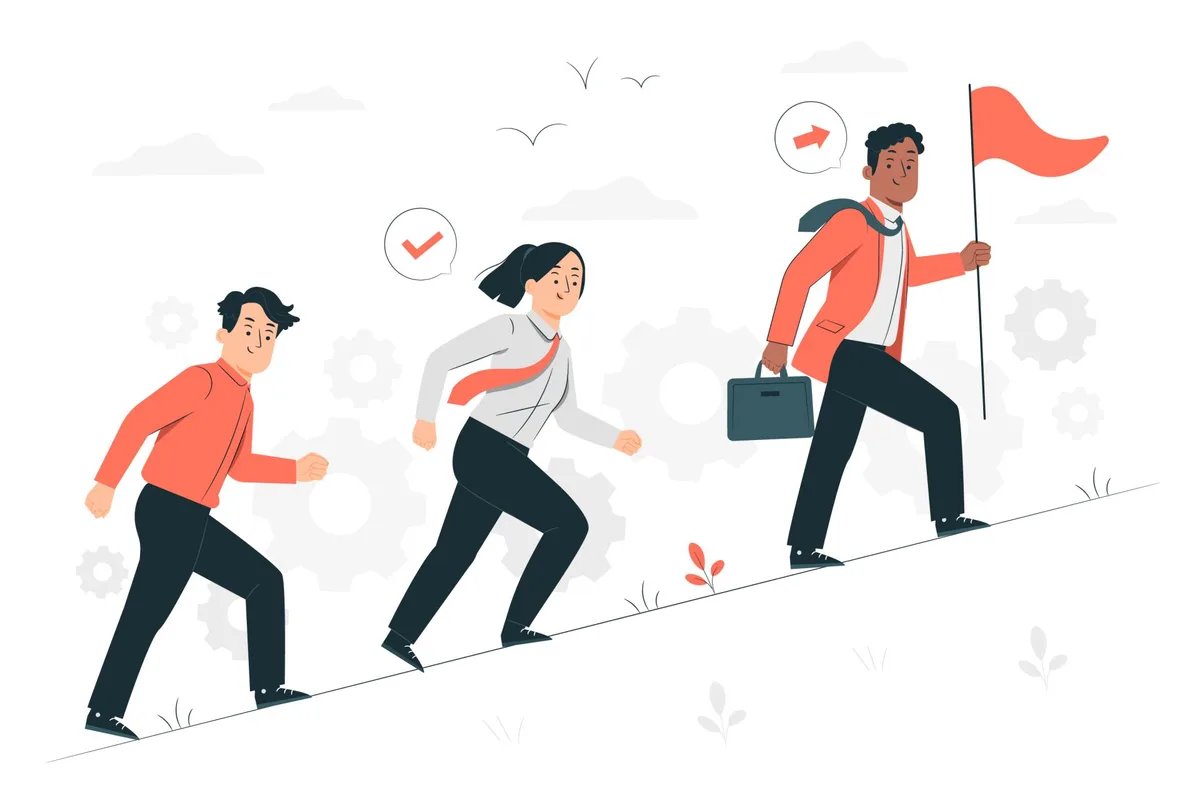
Aims to jointly discuss methods for systematically increasing team collaboration and results.
Content:
- Team dynamics
- Roles and responsibilities
- Psychological safety
- Team trust
- Performance and atmosphere
DELEGATION
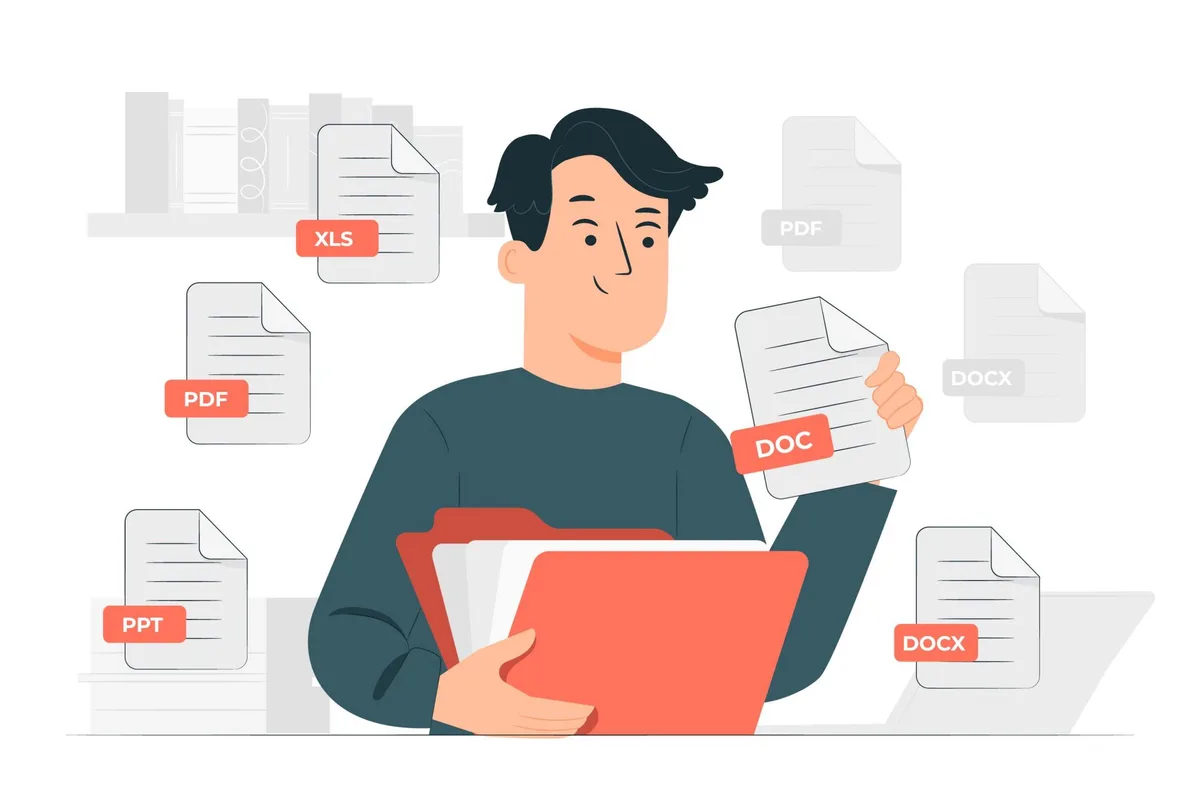
Aims to develop knowledge and skills for appointing and transferring managerial authority.
Content:
- What is delegation?
- The process of delegation and methods used
- Common mistakes during the delegation process
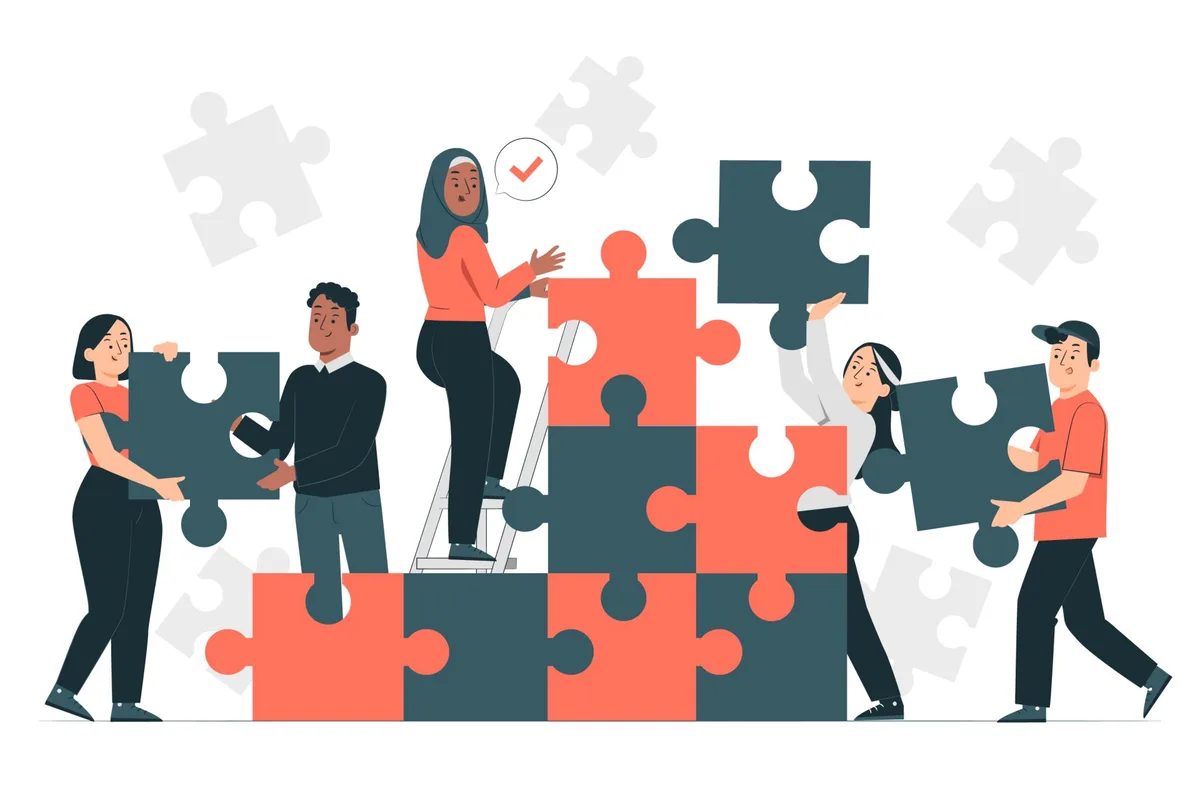
INCLUSIVE LEADERSHIP & DIVERSITY MANAGEMENT
Aims to understand the diversity and differences of employees, and develop the knowledge and skills to create an inclusive organizational culture.
Content:
- Diversity and inclusion
- Inclusive organizational culture and behavior
- Fair decision making

DEVIANT WORKPLACE BEHAVIOR
Aims to recognize inappropriate employee behaviors in the workplace, their forms, and learn methods to prevent and manage them.
Content:
- Understanding deviant workplace behavior and its types
- Determining the damage caused by deviant actions
- Ways to prevent deviant actions
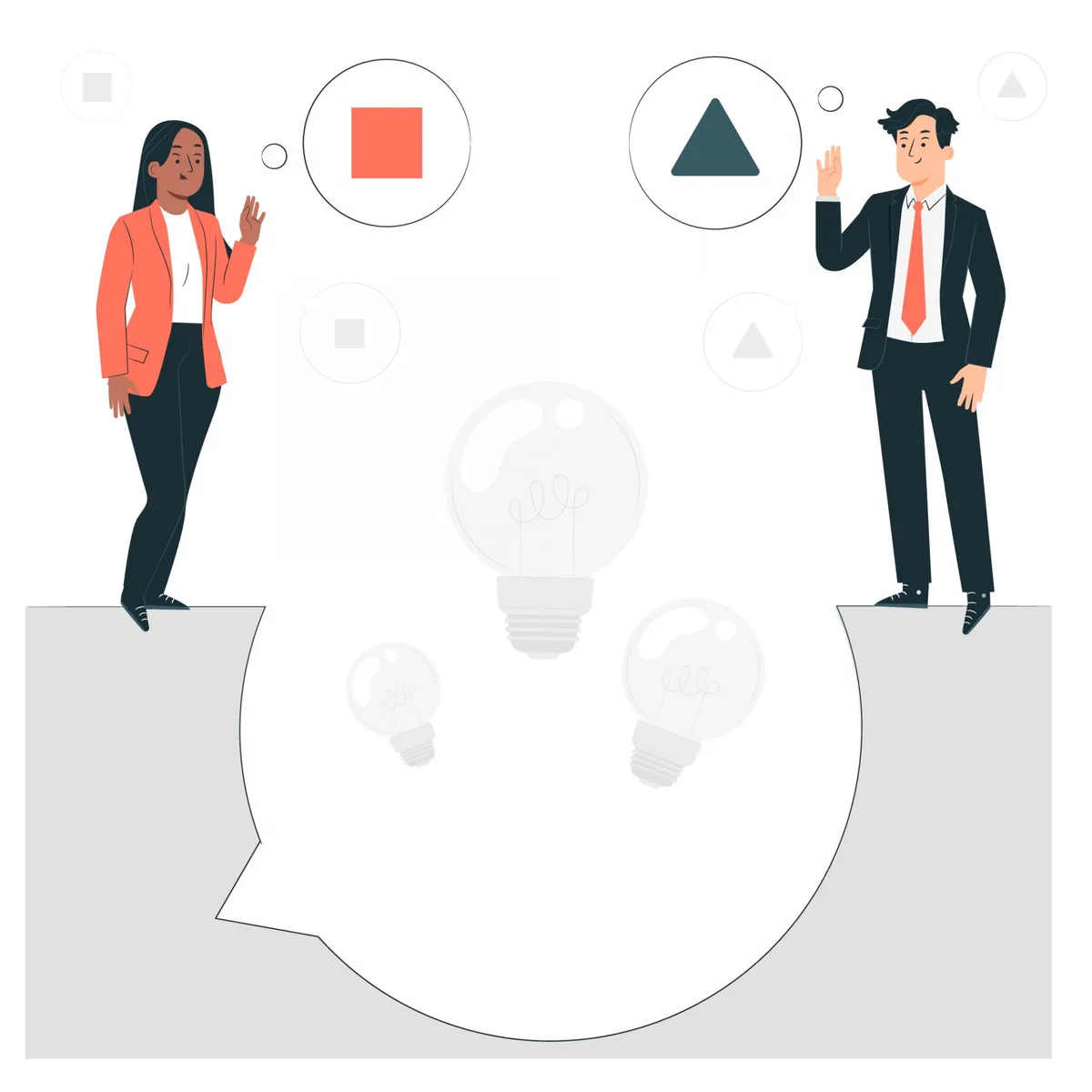
EMPATHIC COMMUNICATION
Aims to learn empathic communication skills that are important for managers.
Content:
- Empathic awareness skills
- Empathic listening skills
- Empathic speaking skills
- Empathic conversational skills
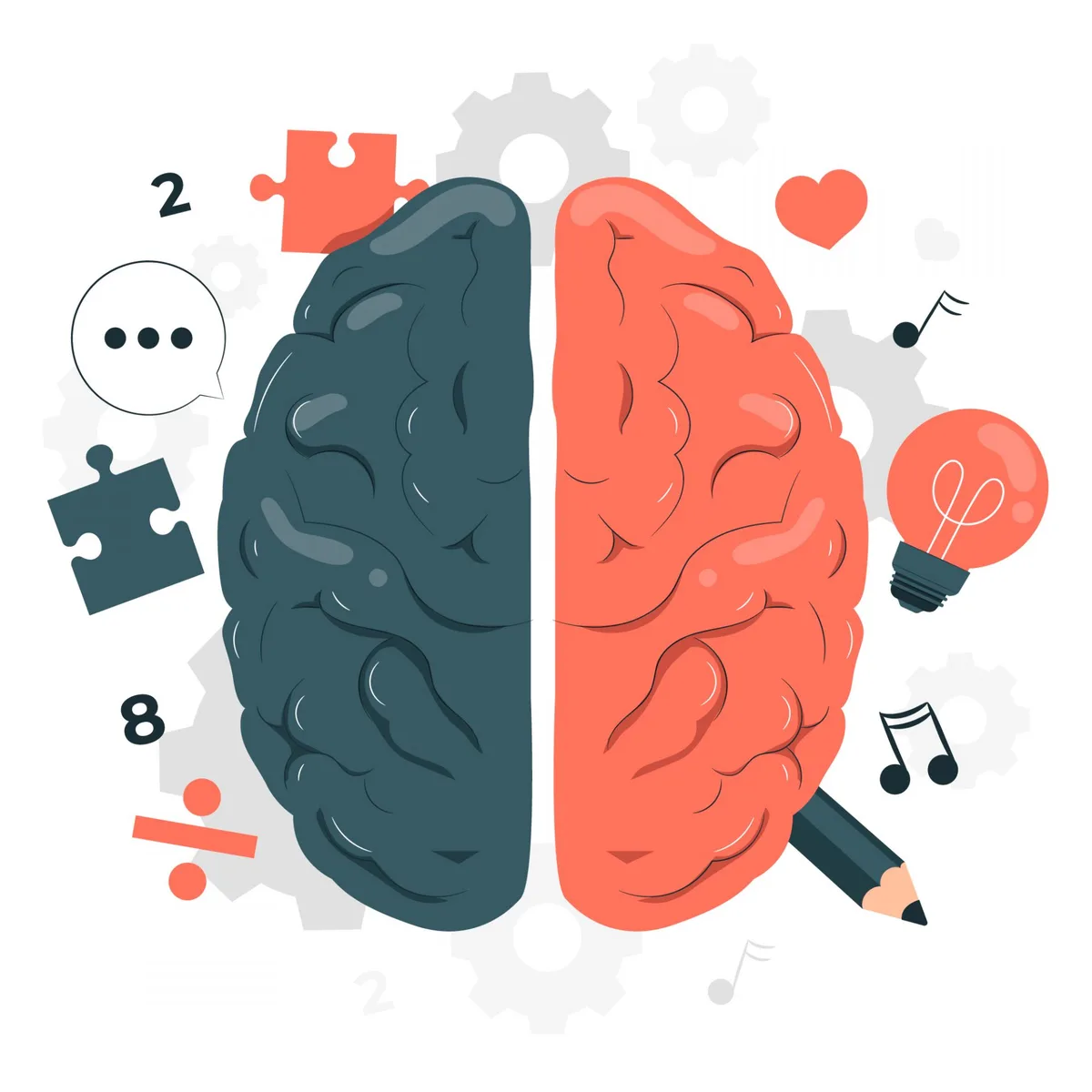
CREATIVITY AND INNOVATION
Aims to learn individual and team techniques for creative thinking.
Content:
- Creative thinking and innovation
- Creative thinking skills
- Individual and team techniques for creative thinking
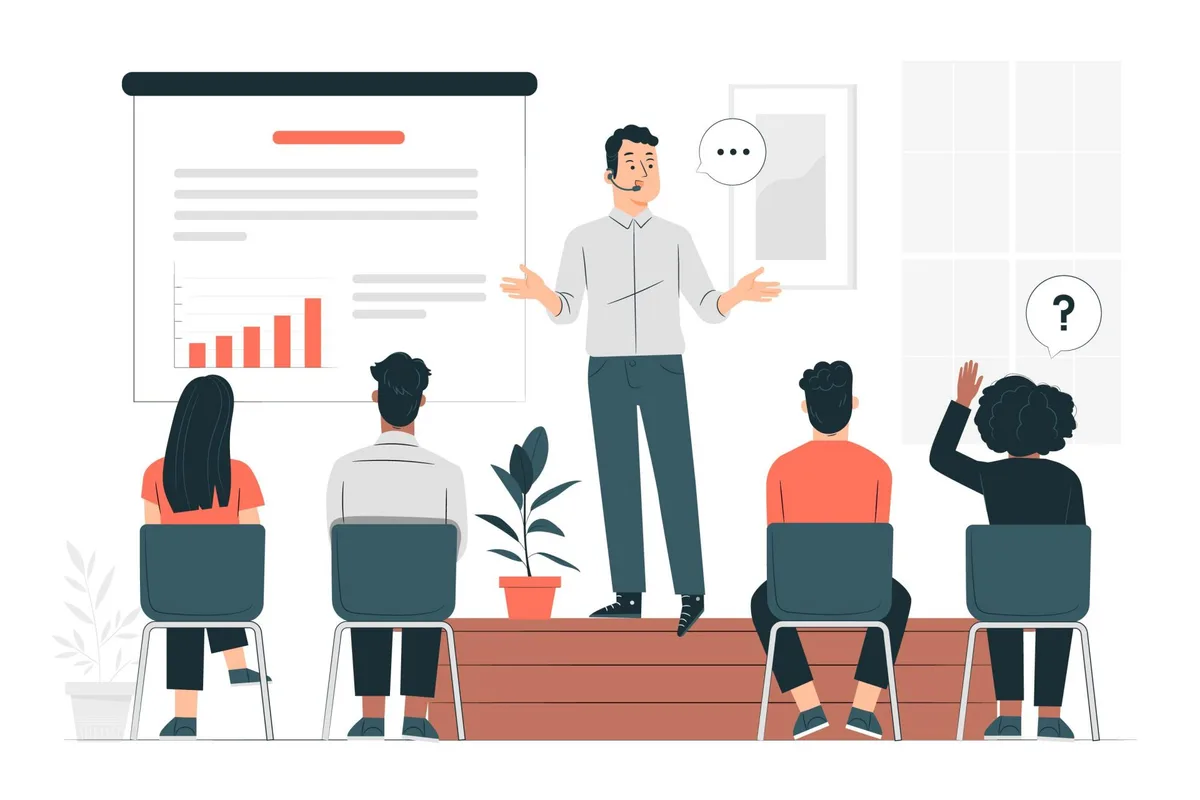
AGILE LEADERSHIP & ADAPTIVE MANAGEMENT
Aims to develop management skills for optimal problem solving.
Content:
- Critical thinking
- Creative thinking
- Decision making biases
- Optimal ways to transition problems

TASK MANAGEMENT AND DELEGATION
Aims to learn to increase work productivity by improving individual time management, work organization, and adaptability.
Content:
- Time and energy
- Prioritizing tasks
- Delegation skills
SNAPSHOT OF NEUROMARKETING
Aims to learn cognitive biases related to brain development and function, and the basic concepts of neuromarketing.
Content:
- Brain development
- What is neuromarketing?
- Neuromarketing tools
- Neuromarketing research
- Cognitive biases
- Decision making

FINDING THE FACTS
Aims to learn the modern trends and research methodologies of marketing research.
Content:
- Marketing research trends
- Data collection methods
- Sampling methods
- Marketing metrics
MULTIGENERATIONAL MANAGEMENT
Aims to learn generational values, lifestyle differences, and techniques to manage employees based on them.
Content:
- Differences in generational values
- Communication styles
- Differences in motivation

ESG AND SUSTAINABLE LEADERSHIP
Aims to learn the basic principles of corporate governance, legal requirements, and international best practices.
Content:
- Corporate governance and sustainable development (ESG)
- Governance structure
- Legal and ethical norms
- Risk and control systems

SELF-ESTEEM
Aims to recognize one's own and others' behavior and learn attitudes to accept oneself and others.
Content:
- Self-awareness
- Self-assessment
- Raising self-esteem
- Leading others

SELF AWARENESS & PERSONAL LEADERSHIP
The participant will understand their own values, behavior, leadership style, and acquire conscious leadership skills.
Content:
- Self-awareness
- Values, beliefs, and opinions
- Leadership mindset
- Reflection and personal leadership tools

AUTHENTIC LEADERSHIP
Aims to reflect on one's honest, consistent, and transparent leadership style and determine possibilities for future development.
Content:
- Principles
- Consistency
- Transparency
- Moral sense
- Leadership ability

COACHING LEADERSHIP SKILLS
To acquire coaching techniques to develop employee capabilities and responsibilities.
Content:
- The leader is a coach
- Questioning skills
- Active listening skills
- GROW model

FEEDBACK & PERFORMANCE CONVERSATIONS
To learn the ability to provide and receive positive, development-oriented feedback.
Content:
- Feedback culture
- Development-oriented feedback
- Feedback receiving skills
- Feedback giving skills

LEARNING CULTURE & CONTINUOUS DEVELOPMENT
Aims to jointly discuss the managers' contribution to fostering a continuous learning culture in the organization.
Content:
- Learning organization
- Psychological safety
- Learning from mistakes
- Knowledge sharing culture

RESILIENCE & WELL-BEING LEADERSHIP
Aims to develop managers' resilience capability and psychological well-being.
Content:
- Resilient mindset
- Stress management
- Psychological well-being
- Sustainable leadership
- People-centric leadership

VALUES-BASED LEADERSHIP
Aims to jointly discuss managers' contributions to improving the alignment between organizational values and personal values, and fostering an organizational culture aligned with values.
Content:
- Alignment of organizational values and personal values
- Value-based decisions
- Creating a value-based organizational culture
- Preventing inappropriate behavior inconsistent with values
CONFLICT MANAGEMENT & DIFFICULT CONVERSATIONS
Aims to jointly discuss skills for constructively resolving conflicts and maintaining positive relationships.
Content:
- Behavioral choices implemented during conflicts
- Emotions
- Assertive communication
- Methods for managing conflicts

CHANGE COMMUNICATION & STAKEHOLDER ENGAGEMENT
Aims to develop management skills to build trust-based relationships during times of change.
Content:
- Communication principles during change
- Effective communication skills with stakeholders

CHANGE READINESS & ORGANIZATIONAL AGILITY
Aims to assess organizational readiness for change and develop an agile culture.
Content:
- Factors of readiness for change
- Learning attitude
- Adaptive attitude
- Agile mindset

ORGANIZATION DEVELOPMENT & CHANGE INTERVENTIONS
Aims to provide an understanding of systematically planning organizational development.
Content:
- Organization development philosophy
- Interventions
- Stable change

MANAGING RESISTANCE TO CHANGE
Aims to overcome resistance to change and engage people.
Content:
- Resistance to change
- Managing psychological states during change
- Leadership skills to manage resistance

PERFORMANCE MANAGEMENT BEYOND APPRAISAL
Aims to jointly discuss managers' contributions to creating a culture of continuous performance development.
Content:
- Traditional and modern performance management
- Focusing on goals
- Feedback
- Coaching relationships
Corporate Internal Train-the-Trainer Program
We have been implementing a comprehensive train-the-trainer program based on interactive training methods since 2019.
1. Interactive Training to Train Trainers
We organize interactive training for trainers within the scope of the following 5 modules.
2. Developing Corporate Training Plans and Programs
The training plan, curriculum, and learning outcome evaluation programs to be implemented by internal trainers are developed and approved based on the organization's needs.
3. Consultation on Developing Training Content and Methodology
We counsel and collaborate with team members developing the training content and methodology.
4. Pilot Training and Results Evaluation
The training prepared by trainers will be organized in a pilot group. Providing feedback and evaluating the training process and results.
At the end of these processes, the organization uniquely gets training programs, content, methodologies tailored to their specifics, and trainers capable of implementing them.

Module 1: Trainer
Aims to acquaint trainers with foundational principles and concepts they should know, and learn content regarding the knowledge, skills, and behavior trainers need to conduct training for adults.
- Human learning process
- Bloom's taxonomy
- Foundational principles of adult education
- Characteristics of a good trainer

Module 2: Presenter
Aims to define the training content, topic, and angle which is the main job of trainers, and develop effective presentation skills for participants.
- Foundational principles of storytelling
- Determining topic, content, and angle
- Forms of presentations
- Trainer body language
Module 3: Motivator
Aims to introduce and test methods used during interactive training to increase participant engagement and participation.
- Inclusive training methods
- Forms of motivating and encouraging participants
- Self-assessment methods
- Methods for sharing conclusions and reflections
Module 4: Facilitator
Aims to learn skills to facilitate interactive training exercises and discussions.
- Role and skills of a facilitator
- Idea organization skills
- Facilitating group discussions
- Using metaphors

Module 5: Creator
Aims to learn method for organizing the interactive training classroom, preparation, and visualization methods.
- Ensuring interactive training preparation
- Visualization methods
- Trainer teamwork
- Training organization methods
Outdoor Training
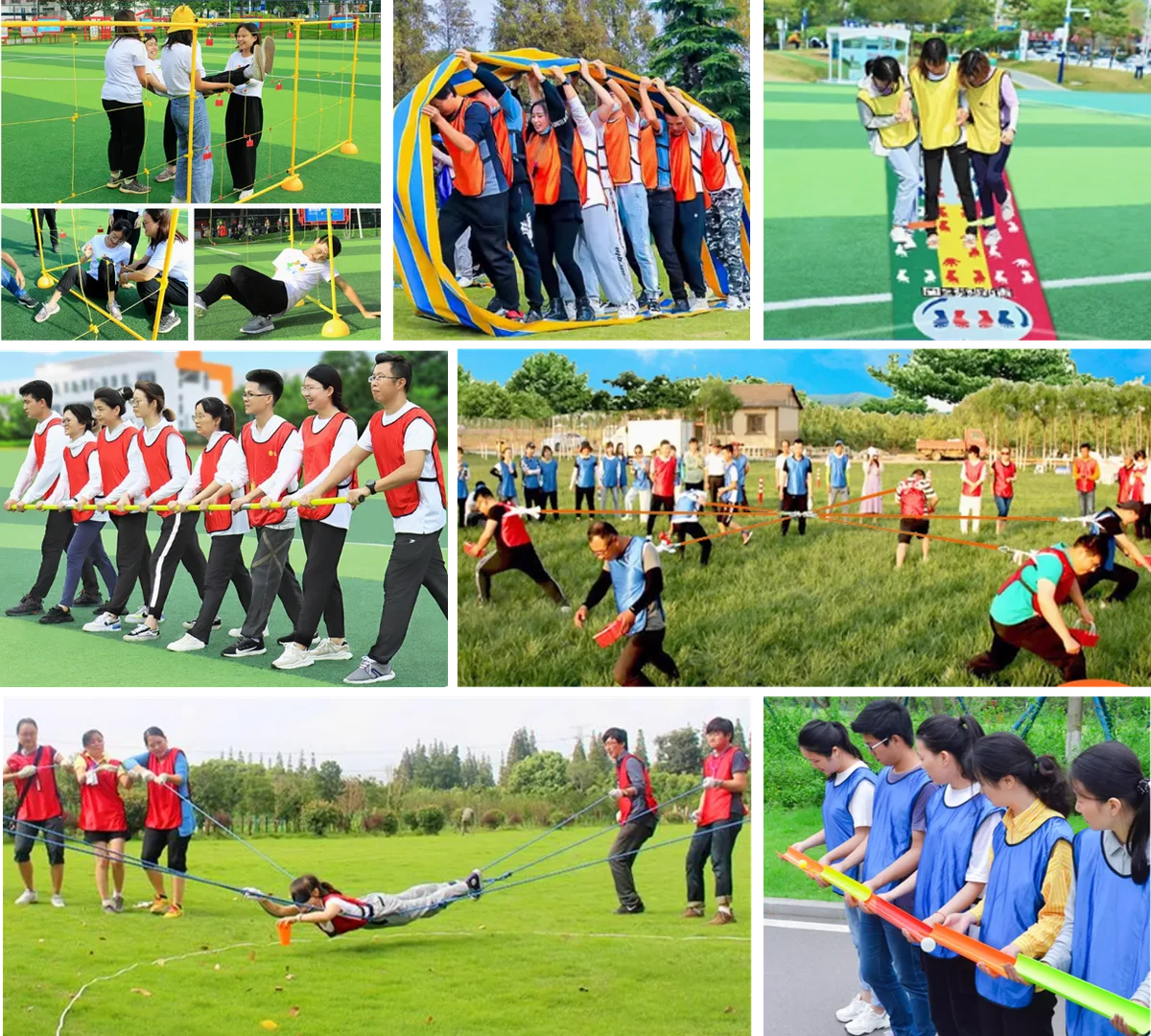
Outdoor training is a training activity organized outdoors to develop collaboration among employees. This type of training takes place in the natural environment and includes various challenges and exercises.
- Classes, exercises, and games take place outdoors or in natural settings.
- Aims to develop teamwork, communication, and decision-making skills.
- Conducted with an active, participation-based approach.